TigersOf all cat species on the planet, tigers are the largest! There are several subspecies which are all easily recognized by their distinct coat coloring of orange with black stripes. They are solitary and territorial, with cubs staying with their mother for 2 years. They can be found throughout Asia, but they are an endangered species, and their population is declining. |
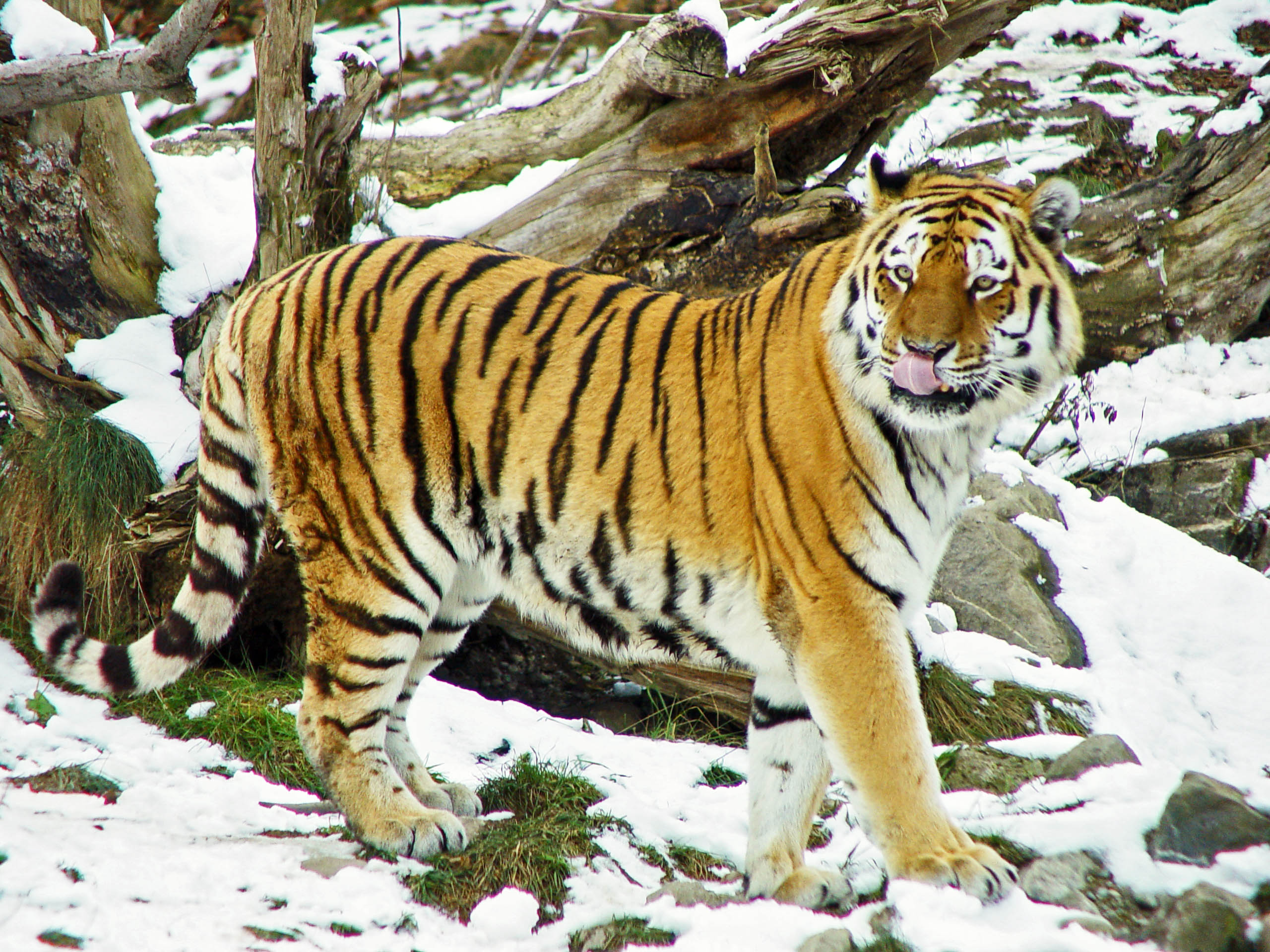
|
| Back to Top | |
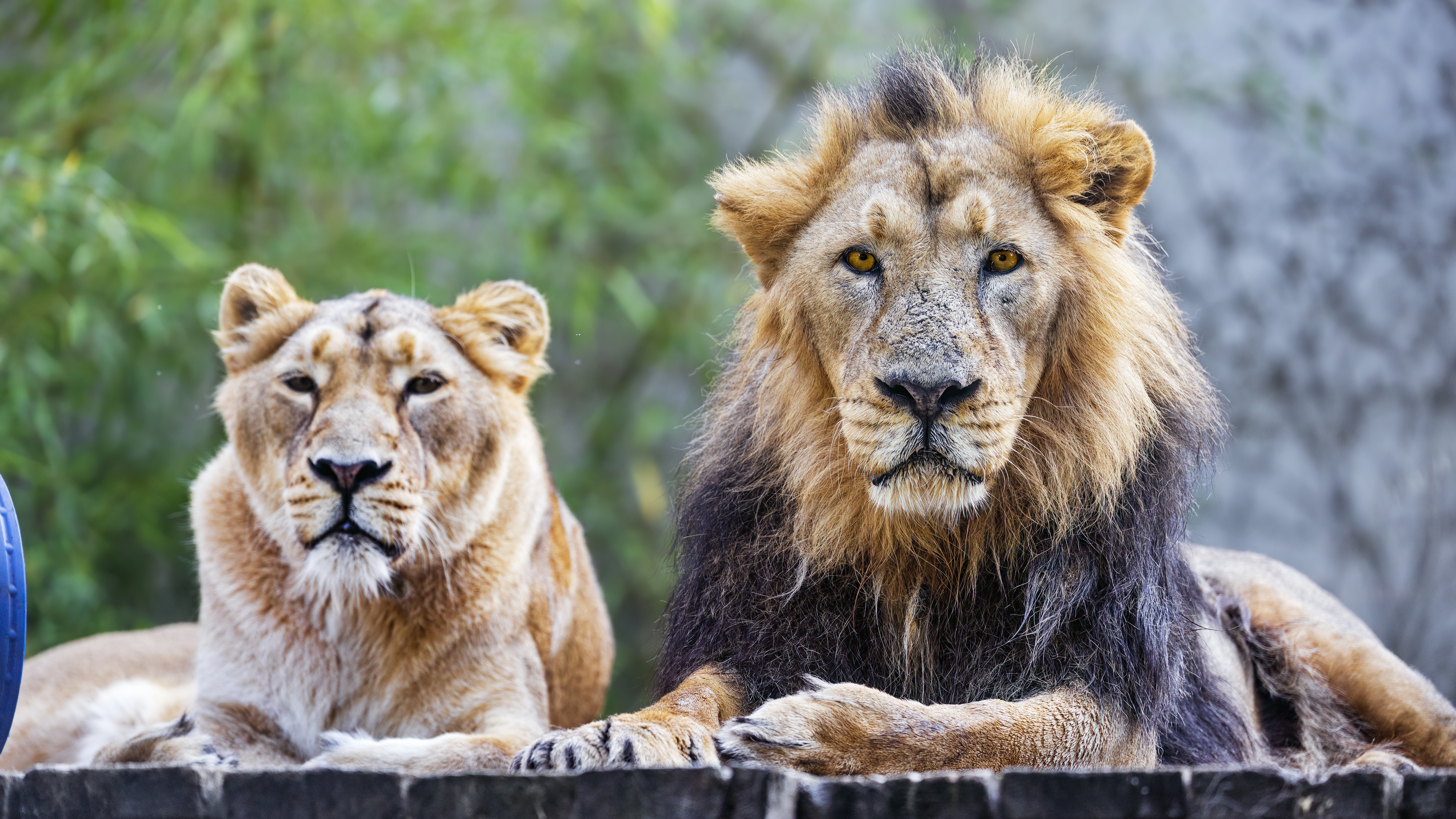
LionsLions, in contrast to tigers, are quite a social species. They live in groups called prides, where the lionesses (females) do the hunting. A pride consists of several adult males, distinguishible by their long manes, related females, and cubs. They live in the grasslands and savannas of Africa, and they are vulnerable, meaning they are close to becoming endangered. |
|
| Back to Top | |
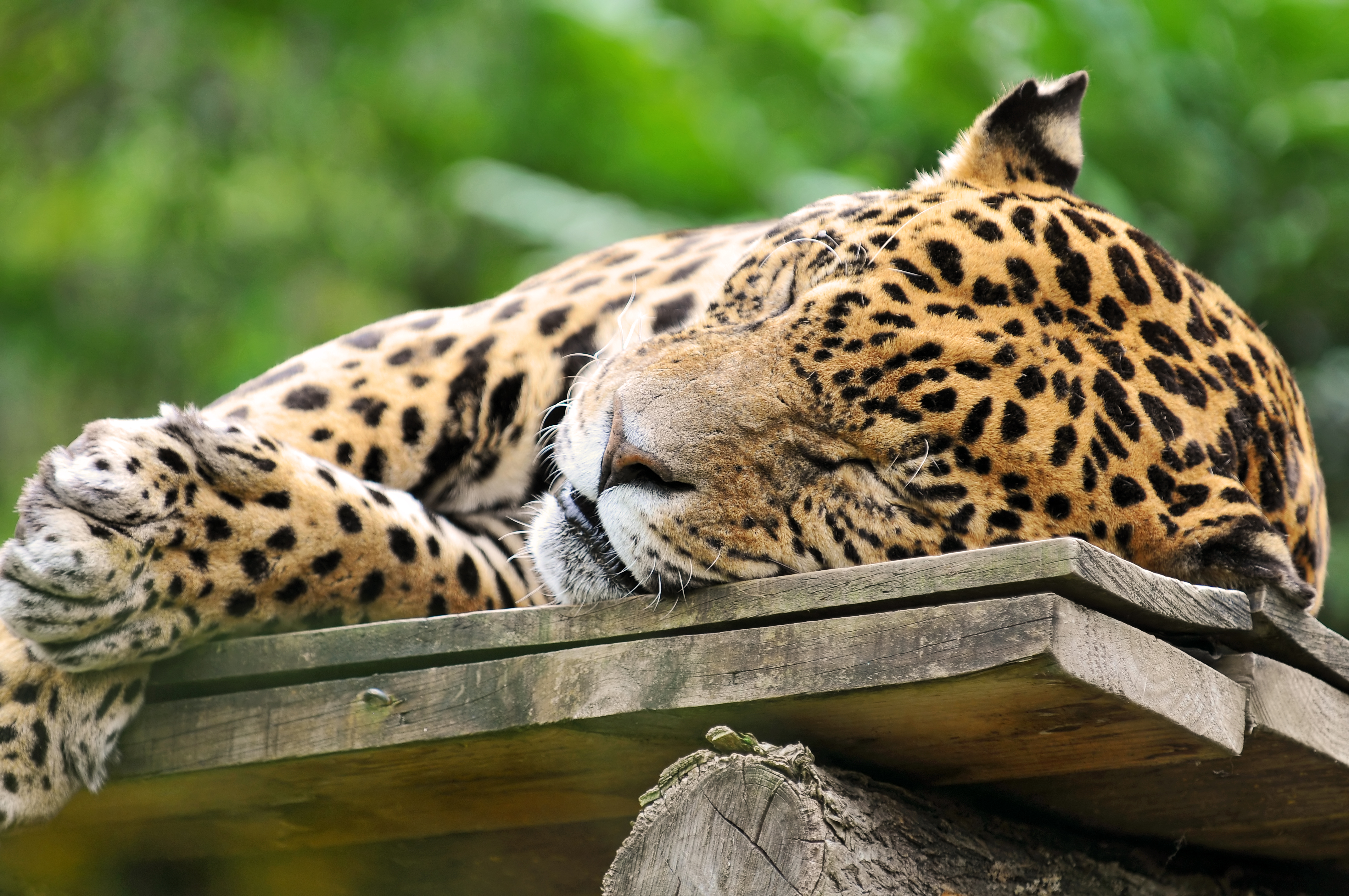
JaguarsJaguars are found in the Americas. Although some individuals can be found in the Western United States, most live in Central and South America in tropical and subtropical forests and swamps. They, like most big cats, are solitary animals and ambush predators. Their orange, black-spotted coat helps to camouflage them from their prey. Melanistic jaguars can also appear, and are commonly known as black panthers, although they are not a separate species. Jaguars are near-threatened, meaning their numbers are decreasing and their populations are being closely monitored. |
|
| Back to Top | |
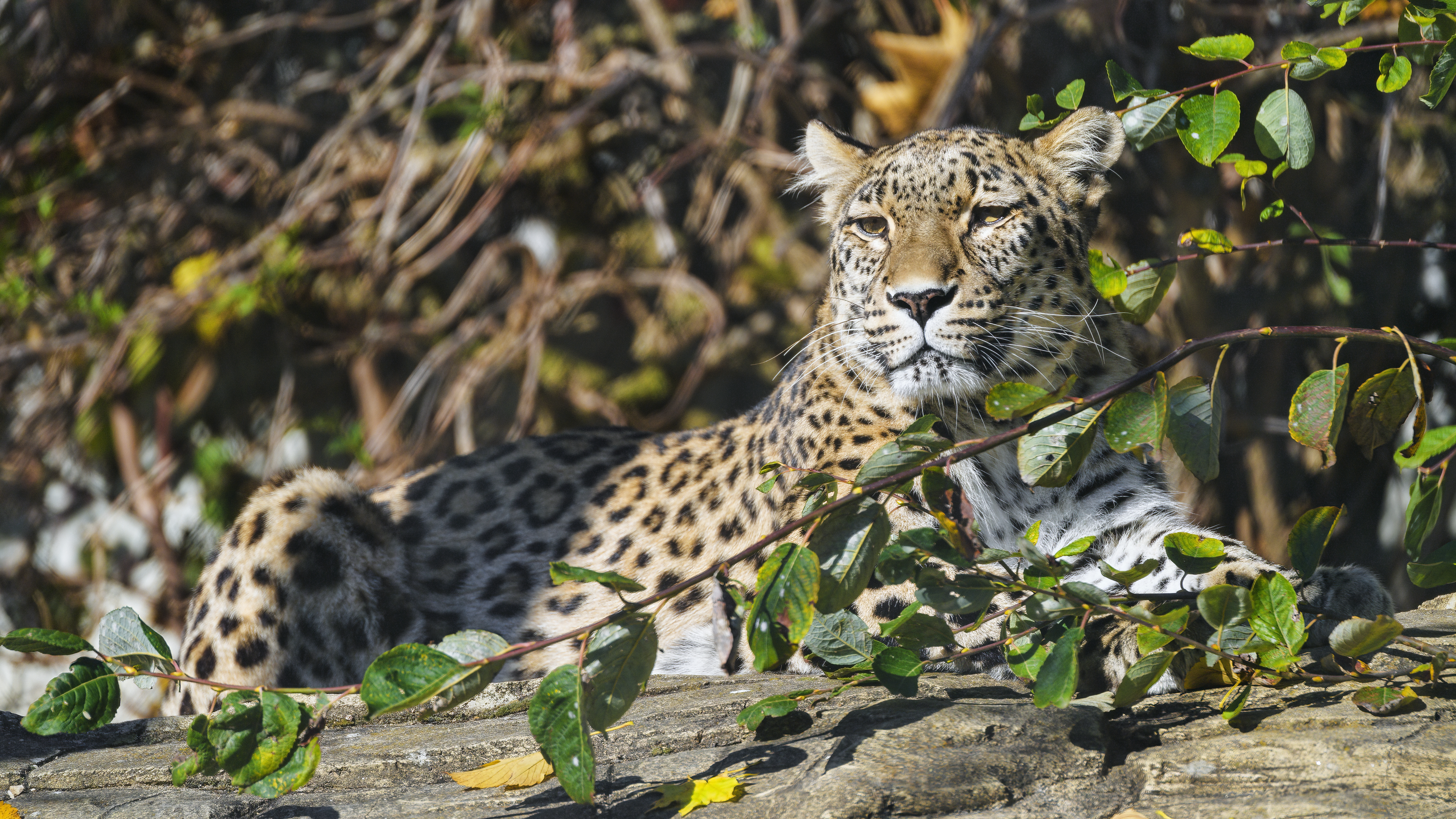
LeopardsLeopards are very similar in appearance to Jaguars in that they have an orange and black-spotted coat. However, they are shorter and have a smaller head, and their spots do not have the dots in the middle that jaguars do. They live in Sub-Saharan Africa, parts of Western and Central Asia, and on the Indian subcontinent. Though most of them are opportunistic hunters that hunt on the ground at night, those in the Serengeti have been known to attack prey by leaping from trees. They are listed as vulnerable, meaning they could be on their way to the endangered species list. |
|
| Back to Top | |
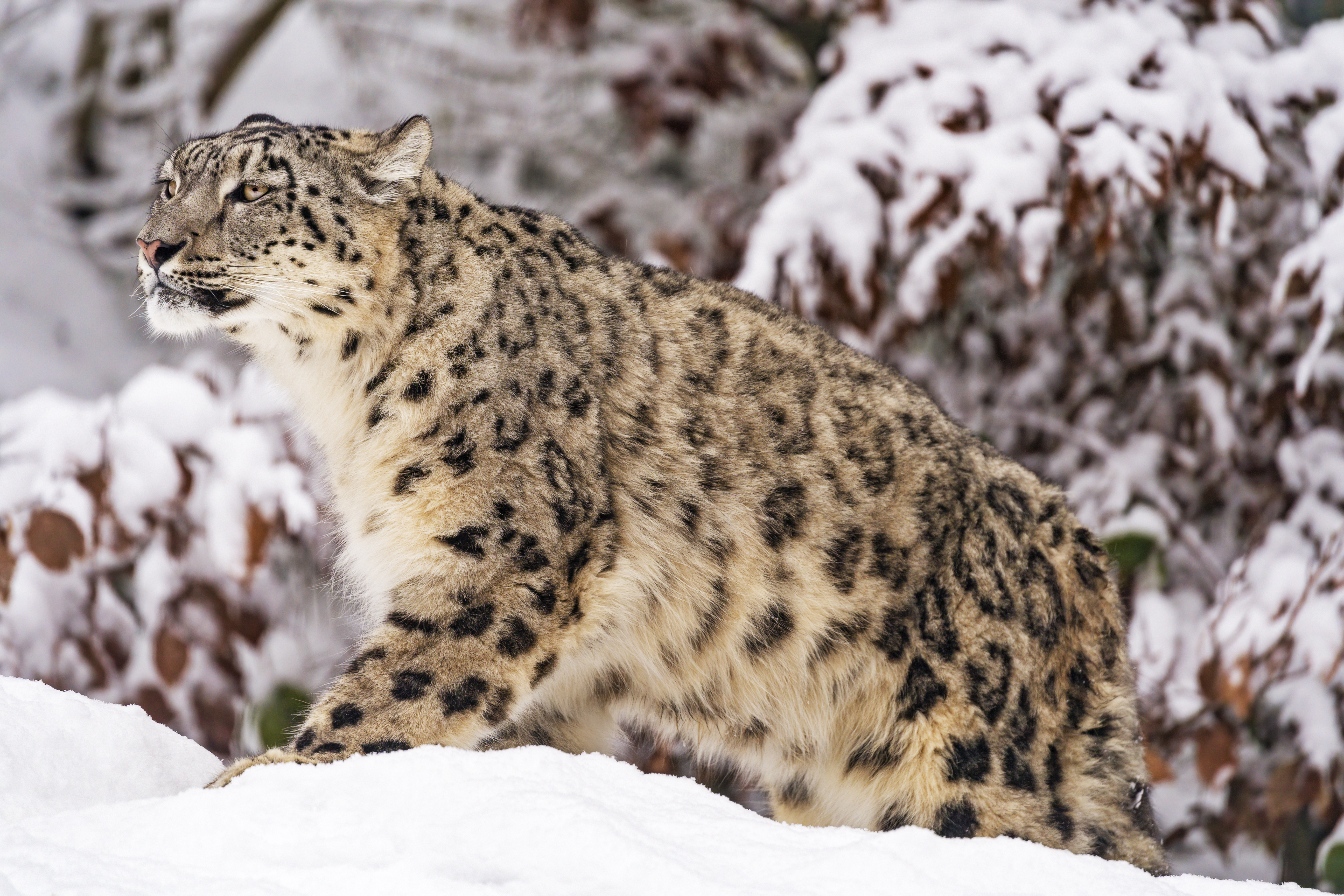
Snow LeopardsSnow leopards live in the mountains of Central and South Asia at elevations of 3,000-4,500 feet. They have whitish grey fur with black rosettes, and long, furry tails. Their tails store fat and are used like blankets to protect their faces when they sleep in their cold climate. They also have large nasal passages that help to warm the air they breathe. Snow leopards are listed as vulnerable, meaning they may appear on the endangered species list in the future. |
|
| Back to Top | |
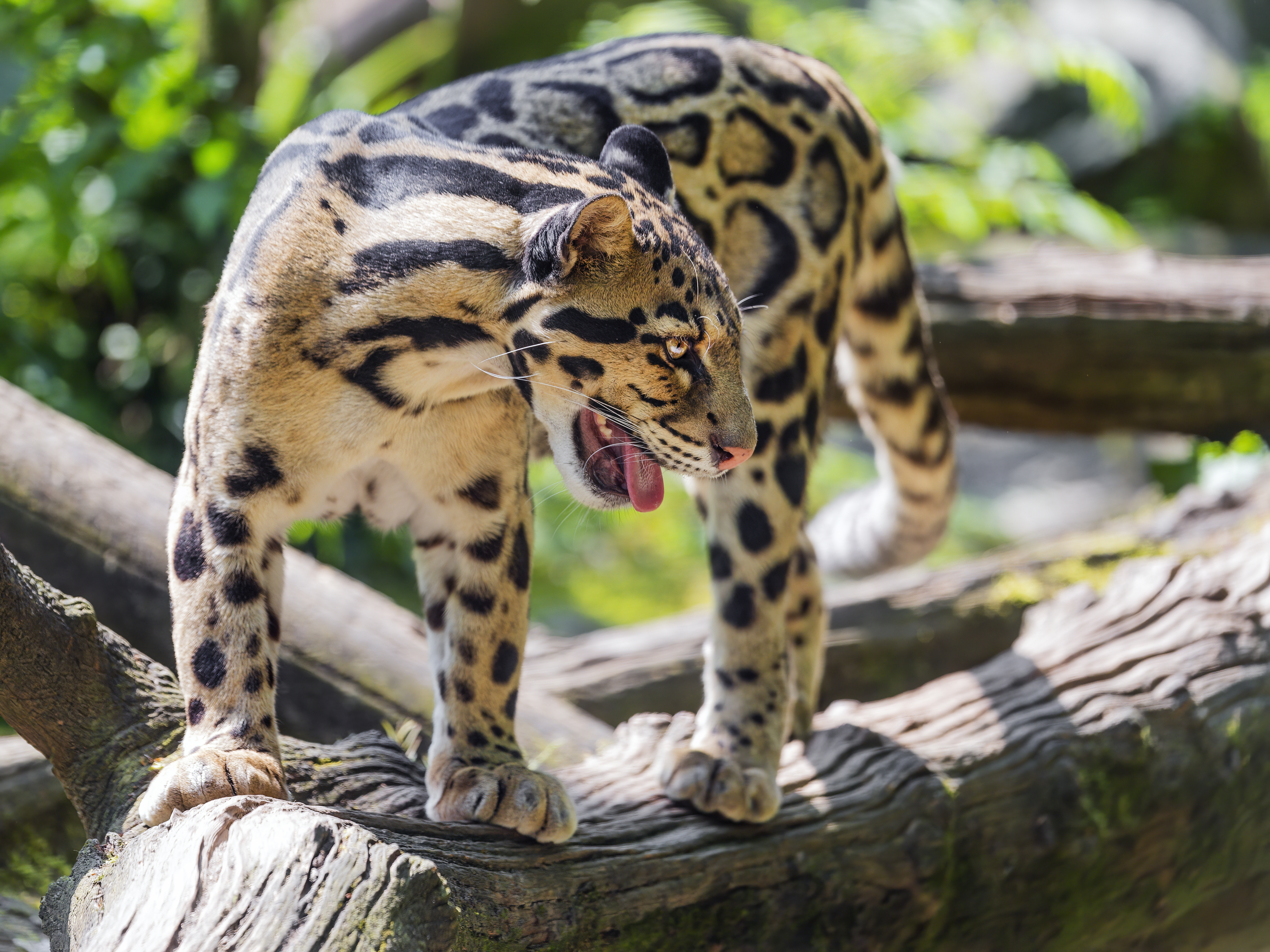
Clouded LeopardsClouded leopards are considered an evolutionary link between the two cat families Pantherinae and Felinae. There are two species: the mainland clouded leopard, found in the Himalayan foothills in Southeast Asia and southern China, and the Sunda clouded leopard, found in Borneo and Sumatra. They have dark grey fur with a black blotched pattern. They are solitary and hunt by stalking or ambushing their prey. They are excellent climbers and use trees as a place to rest. Both species are listed as vulnerable. |
|
| Back to Top | |
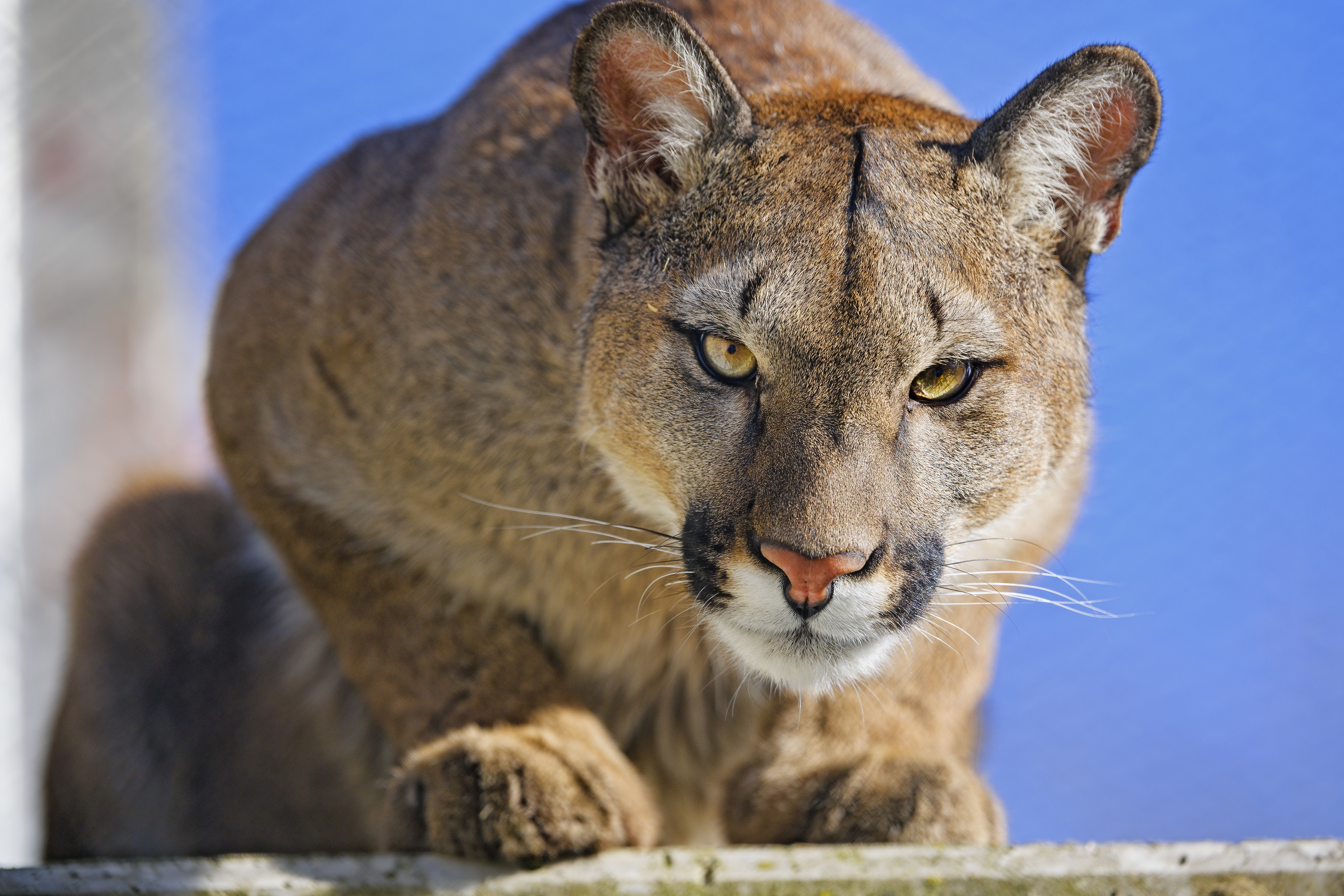
CougarsCougars are highly adaptable to a variety of habitats, and are found in North and South America, although their numbers in eastern North America are extremely reduced. Because of their wide range, they are also known as pumas, mountain lions, red tigers, or catamounts. Their preferred prey is deer, though they will eat insects and rodents, and they are ambush predators. Because they are not always the apex predator in an area, they will occasionally give the food they caught away to jaguars, grizzly bears, or alligators. Although their range has shrunk, they are listed as least concern, meaning they maintain a steady population. |
|
| Back to Top | |
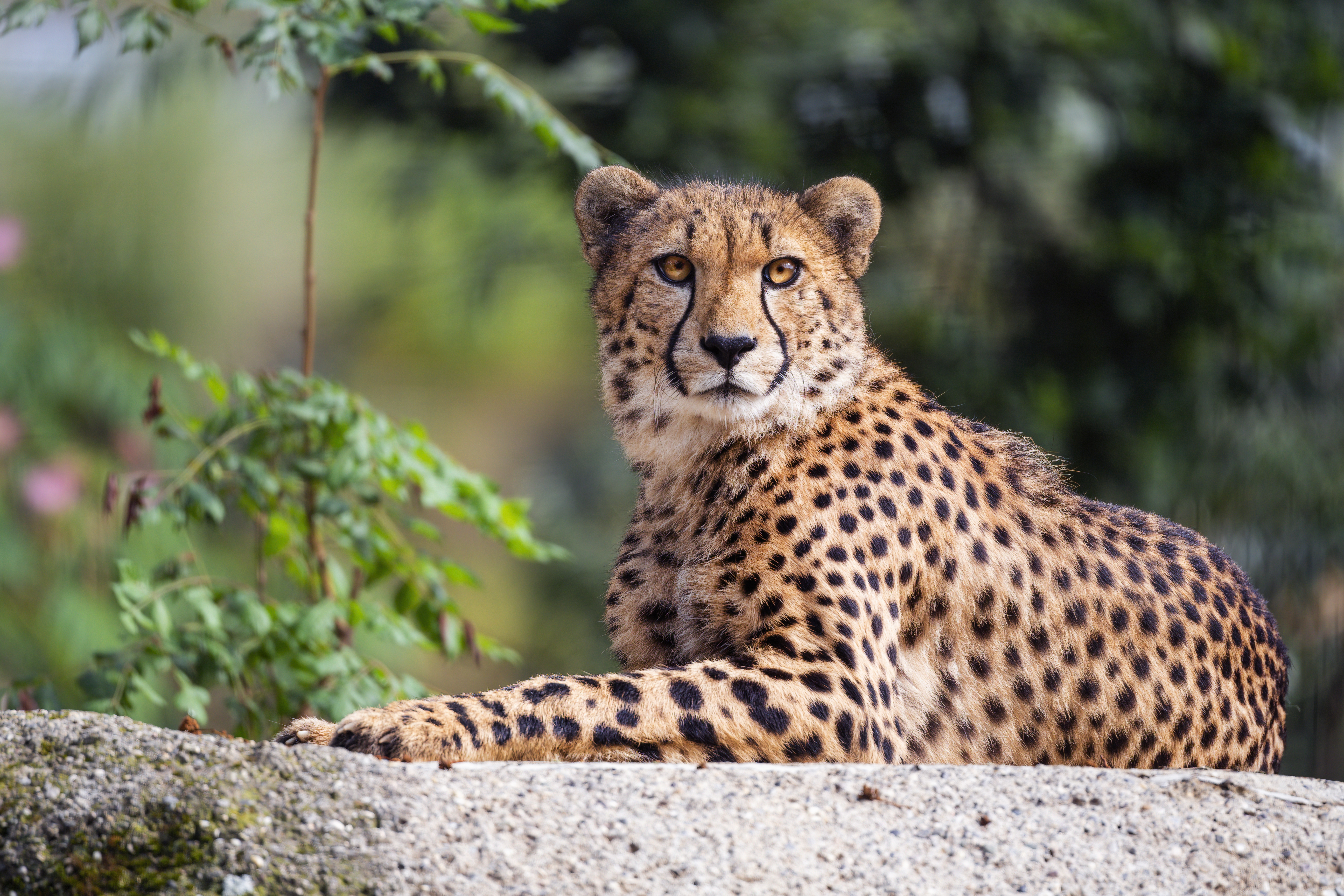
CheetahsCheetahs are known as the fastest land animal, and are capable of running up to 80 miles per hour. They can be found in the Serengeti, Saharan mountain ranges, and hilly areas of Iran. They split into three kinds of social groups: females with cubs, all-male groups, and solitary males. While females are more likely to travel farther distances, males stay in smaller territories. They hunt during the day and prey upon animals like impala or springbok. They are listed as vulnerable, with one of the main threats being a lack of genetic diversity. This makes it difficult for the species to evolve over generations, reducing the chance for individuals to survive. |
|
| Back to Top | |